




A Beginner’s Guide to Stretching at Home for Better Flexibility
Stretching is a simple yet powerful way to improve your flexibility, relieve muscle tension, and enhance your overall physical health. Whether you spend long hours sitting at a desk, exercising regularly, or simply want to feel more relaxed, incorporating stretching into your daily routine can offer tremendous benefits. The best part? You can do it easily at home without any special equipment.
In this beginner’s guide, we’ll explore the basics of stretching, why it’s important, and share a step-by-step routine you can follow to get started safely and effectively.
Why Stretching Matters
Stretching helps lengthen muscles, improve joint range of motion, and increase blood flow. When done regularly, it can:
– Reduce muscle stiffness and soreness
– Improve posture and balance
– Enhance athletic performance
– Decrease the risk of injury
– Promote relaxation and stress relief
For beginners, the goal is to stretch gently and consistently, making it a part of your everyday self-care.
Types of Stretching
There are two main types of stretching to be aware of:
1. Static Stretching
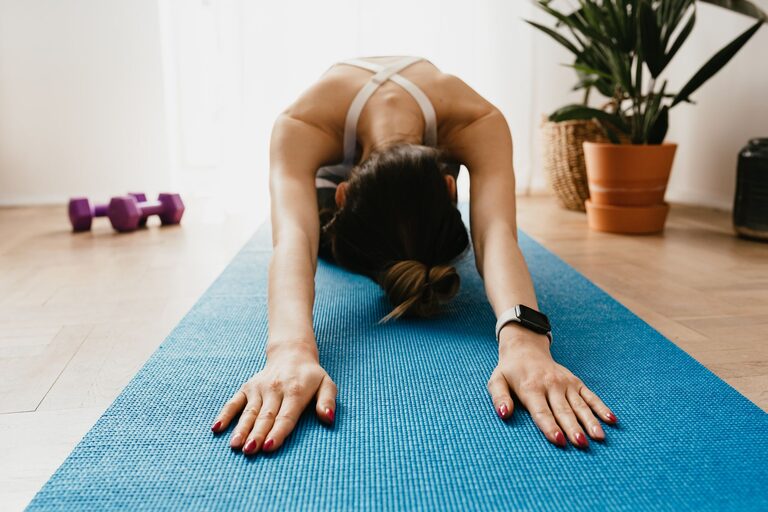
This involves holding a stretch at the point of mild tension for a set time, usually 15-60 seconds. It’s best done after a workout or physical activity to relax muscles.
2. Dynamic Stretching
Dynamic stretches involve moving parts of your body through a full range of motion using controlled, smooth movements. It’s ideal as a warm-up before exercising.
For a beginner at home, starting with static stretches is usually easier and safer.
Preparing to Stretch at Home
Before you begin stretching, keep these tips in mind:
– Wear comfortable clothing that allows movement.
– Stretch in a quiet, spacious area free from distractions.
– Warm up your muscles for 3-5 minutes with light activity like walking or marching in place.
– Breathe normally and avoid holding your breath while stretching.
– Never bounce or force a stretch past comfortable limits.
Beginner Stretching Routine
Here’s a simple routine focusing on major muscle groups to get you started. Hold each static stretch for 20-30 seconds and repeat 2-3 times.
Neck Stretch
- Sit or stand up straight.
- Slowly tilt your head to the right, bringing your right ear toward your right shoulder.
- Use your right hand gently to increase the stretch.
- Repeat on the left side.
- Bring your right arm across your chest.
- Use your left arm to hold your right arm near the elbow.
- Feel the stretch across the shoulder and upper back.
- Switch arms.
- Stand in a doorway and place your hands on the doorframe at shoulder height.
- Step forward slowly with one foot, feeling the stretch in your chest and shoulders.
- Hold and then switch foot position if desired.
- Raise your right arm overhead and bend your elbow to touch the middle of your back.
- Use your left hand to gently press your right elbow backward.
- Repeat on the other side.
- Stand with feet shoulder-width apart.
- Raise your right arm overhead and lean to the left side.
- Feel the stretch along your right side.
- Switch sides.
- Sit on the floor with your right leg extended and your left leg bent with the foot against your inner thigh.
- Reach toward your right toes while keeping your back straight.
- Repeat with the left leg.
- Stand near a wall or chair for support.
- Grab your right ankle with your right hand, pulling your heel toward your buttocks.
- Keep your knees close together and back straight.
- Repeat with your left leg.
- Stand facing a wall with your hands on it.
- Step your right foot back and press your heel into the floor.
- Bend your left knee until you feel a stretch in your right calf.
- Switch legs.
Shoulder Stretch
Chest Stretch
Triceps Stretch
Side Stretch
Hamstring Stretch
Quadriceps Stretch
Calf Stretch
Tips for Success
– Aim to stretch at least 3-4 times per week.
– Be patient—flexibility improves gradually.
– Listen to your body and stop if you feel pain.
– Combine stretching with activities like walking, yoga, or light strength training.
When to Avoid Stretching
Avoid stretching cold muscles without warming up first. Also, if you have an injury or chronic pain, consult a healthcare professional before starting a stretching routine.
Final Thoughts
Stretching at home is a convenient and effective way to care for your body’s flexibility and mobility. By following this beginner-friendly guide, you’ll build a strong foundation for better movement and overall comfort in your daily life. Remember, consistency is key—take your time and enjoy the process!
Happy stretching!